The Journey
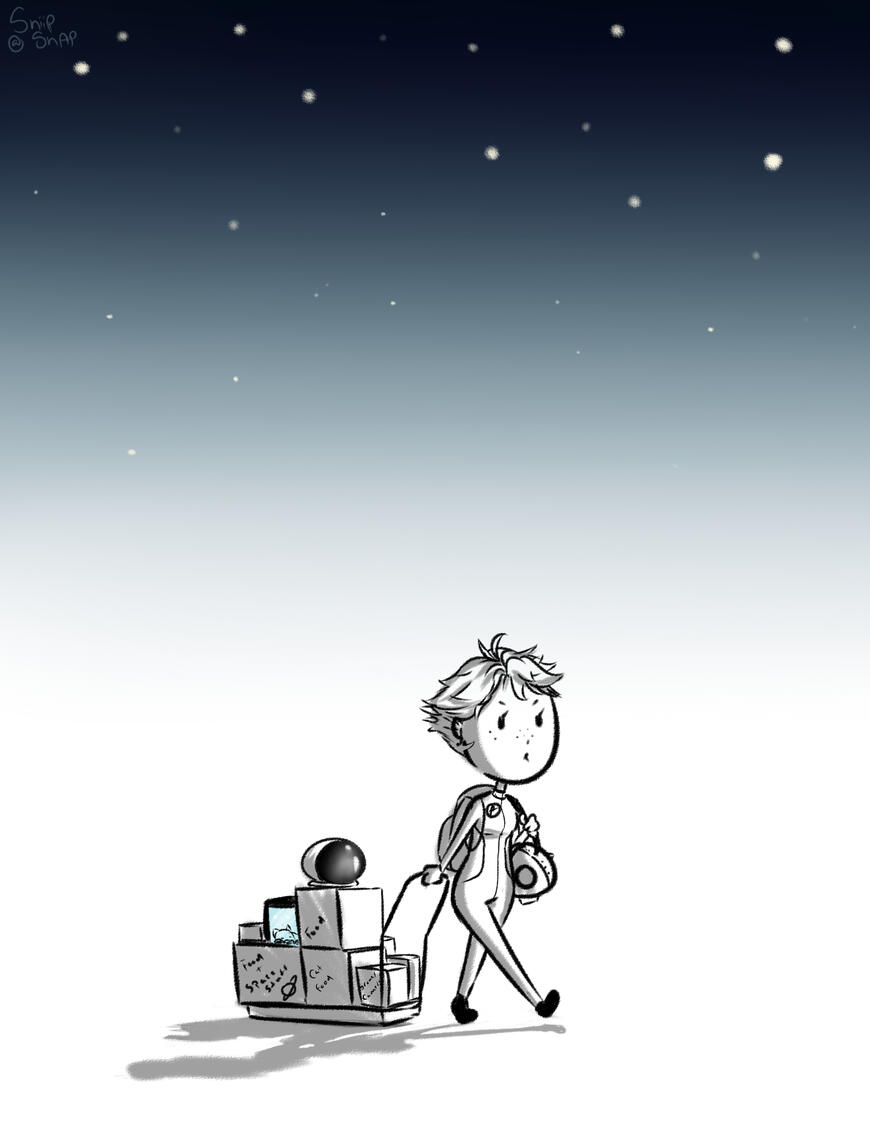
After years of pain, constant hospital visits, pain medication, and general quality of life degrading, Oikawa had made the decision at 25 years old to have her leg amputated.
This did not come so easily, and was certainly a shock to many of her fans and close ones. But after many sleepless nights and internal debate, she began coordinating and connecting with doctors and researchers. Eventually, her findings led her to a bionic prosthetics company on the cusp of putting out their newest model prototype, and they were looking for volunteers. ['Test rats', in her own words.]
Oikawa was determined; this would be the best - maybe the only - opportunity she'd have.
Stalling out of fear and uncertainty only prolonged her agony. She set herself up for two years, skirting and working around legalities in order to make this work, all the while researching what to expect during recovery, both mentally and physically. No amount of research could prepare her emotionally.
Post-Surgery/Recovery Tidbits
⊰⊱ Resourcefulness
Due to losing a limb, she finds herself constantly and creatively coming up with ways to use the world around her. Though not a skill she prepared herself to have, one she's grateful for, nonetheless.
⊰⊱ Appetite
She eats much more than she did before - which was already too much, in her opinion. This increased need for nutrients is due to her body losing a part of itself, thus, using more energy to make up for it in the process.
⊰⊱ The Attention
Being an amputee is by no means easy. Being an amputee in Japan, where 'sameness' is most desired [and greatly, wrongly, glorified in Oikawa's opinion] is, sometimes, even harder. It doesn't bother her, though, and she doesn't let people's weird reactions get to her so much. Much less children's curiosity. If they're curious, and brave enough to ask a question, let them! She's more than fine in answering if she can.
⊰⊱ Phantom Pain
Though she's heard of and researched it, Oikawa does not experience phantom pain. She used to believe it was something all amputees felt, and was quite surprised to find out it wasn't a shared experience.

⊰⊱ Resilience
Though she can get a bit touchy about it at times, it is a part of her. No one can tell her she can't do something, and especially not because she's disabled. Her pride won't allow her to sit and mope for long, nor take no for an answer. She maintains her lighthearted, joking nature, continues to roller skate and enjoy thrilling rides, and happily continues cosplaying and photographing those who are interested in her work. She is currently working with the bionic engineers to push the levels of her new leg for people like her. Being an amputee doesn't mean she can't be herself. At the end of the day, she's still just Oikawa. Still the same old snarky, teasing girl, who likes cute overly things and enjoys being active.
The Prosthetic
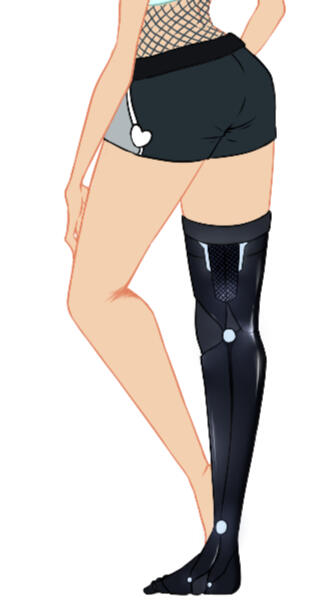
The design was created out of carbon fiber with ease of access and reduction of different leg types needed for above-the-knee amputees. A one-of-a-kind leg that can do it all and give old, and new, amputees their lives back.
Each toe can move individually, apart from the ankle and knee, as well as an added shock-absorbent sole in the foot to allow adjustment and weight distribution. Oikawa, and hundreds of others like her, worked with the engineers behind it for two years, recording how she walks, jumps, runs, and later on, even swims. This allowed for complete human augmentation, mirroring how a person moves naturally in all positions. The sensors are located in the black band, where the thigh and prosthetic meet, and inside is a lock mechanism, to ensure the leg is secured to its user.
The lights weren't in the design. That was Oikawa's decision.
What she's working with is only a prototype of what's to come. This model isn't fit for water, but soon in the future, the company hopes to integrate it into the bionic prosthetic and add to it as technology continues to improve.